How To Improve Mitochondrial Health: 7 Tips For Energy
11 min read
Your mitochondria produce roughly 90% of the energy your body runs on. Every thought, every heartbeat, every moment of focus or fatigue traces back to these tiny organelles inside your cells. When they’re thriving, you feel sharp, resilient, and recharged. When they’re not, you feel it, brain fog, sluggish recovery, mood dips, and a body that just can’t seem to bounce back. If you’ve been searching for how to improve mitochondrial health, you’re asking one of the most fundamental questions in human performance.
This matters especially if you push your body and brain hard. Psychedelic experiences, intense physical activity, sleep disruption, and stress all place significant demands on your cellular energy systems. That’s exactly why we built Afterglow Supplements, to support your body’s recovery at a deep, physiological level. Ingredients like NAC, Magnesium Bisglycinate, and L-Theanine in our protocol don’t just address surface-level symptoms; they support the cellular machinery responsible for producing energy and clearing oxidative damage.
But supplements are only one piece of the puzzle. Real mitochondrial support comes from stacking the right habits, what you eat, how you move, how you rest, and how you challenge your body to adapt. Below, you’ll find 7 evidence-based strategies to strengthen your mitochondria and reclaim the kind of energy that doesn’t come from caffeine. These are practical, actionable steps you can start applying today, whether you’re optimizing for daily performance or recovering from a demanding experience.
1. Use Afterglow Supplements after psychedelics
Psychedelic experiences place significant oxidative stress on your cells. Serotonin turnover, neurotransmitter depletion, and the sheer metabolic demand of an intense session all pull resources away from the mitochondria at exactly the moment your body needs them most. Afterglow Supplements are formulated specifically to close that recovery gap.
Why it helps your mitochondria
Several ingredients in the Afterglow protocol directly support mitochondrial function. N-Acetylcysteine (NAC) is a precursor to glutathione, your body’s primary antioxidant, which clears the oxidative byproducts that degrade mitochondrial membranes. Magnesium Bisglycinate is essential for over 300 enzymatic reactions, including those inside the mitochondria that convert nutrients into ATP. Without adequate magnesium, energy production slows at the cellular level.
Oxidative stress is one of the fastest ways to impair mitochondrial efficiency, and NAC directly targets that pathway.
L-Theanine reduces excitotoxic stress on neurons and the mitochondria inside them by modulating glutamate activity. Phosphatidylserine maintains the structural integrity of mitochondrial membranes, which need to stay intact for efficient energy transfer.
How to do it this week
Follow the Afterglow 4-step protocol as directed across your recovery window. Each step is timed to your body’s specific physiological phases, so you’re delivering the right compounds at the right moment rather than guessing. Here’s the basic structure:
Pre-experience: prime antioxidant defenses before the session begins
During: support hydration and neurotransmitter precursors mid-session
Before sleep: activate overnight cellular repair with melatonin and relaxing nutrients
Post-experience: restore baseline with mood and energy support
What to watch out for
Don’t treat supplements as a substitute for sleep, food, and hydration. No formula works well on a dehydrated body running on no calories. Take the Afterglow protocol with a full glass of water and a light meal when possible to maximize absorption.
Timing also matters. Starting your protocol late, or skipping steps, reduces how much of the recovery window you actually capture.
Extra notes for psychedelic recovery
If you’re focused on how to improve mitochondrial health after a psychedelic session specifically, know that the 48 to 72 hours post-experience represent peak oxidative stress and neurotransmitter imbalance. Beginning the Afterglow protocol early, before the session fully ends, gives your mitochondria the building blocks they need before the deficit compounds into extended fatigue or mood instability.
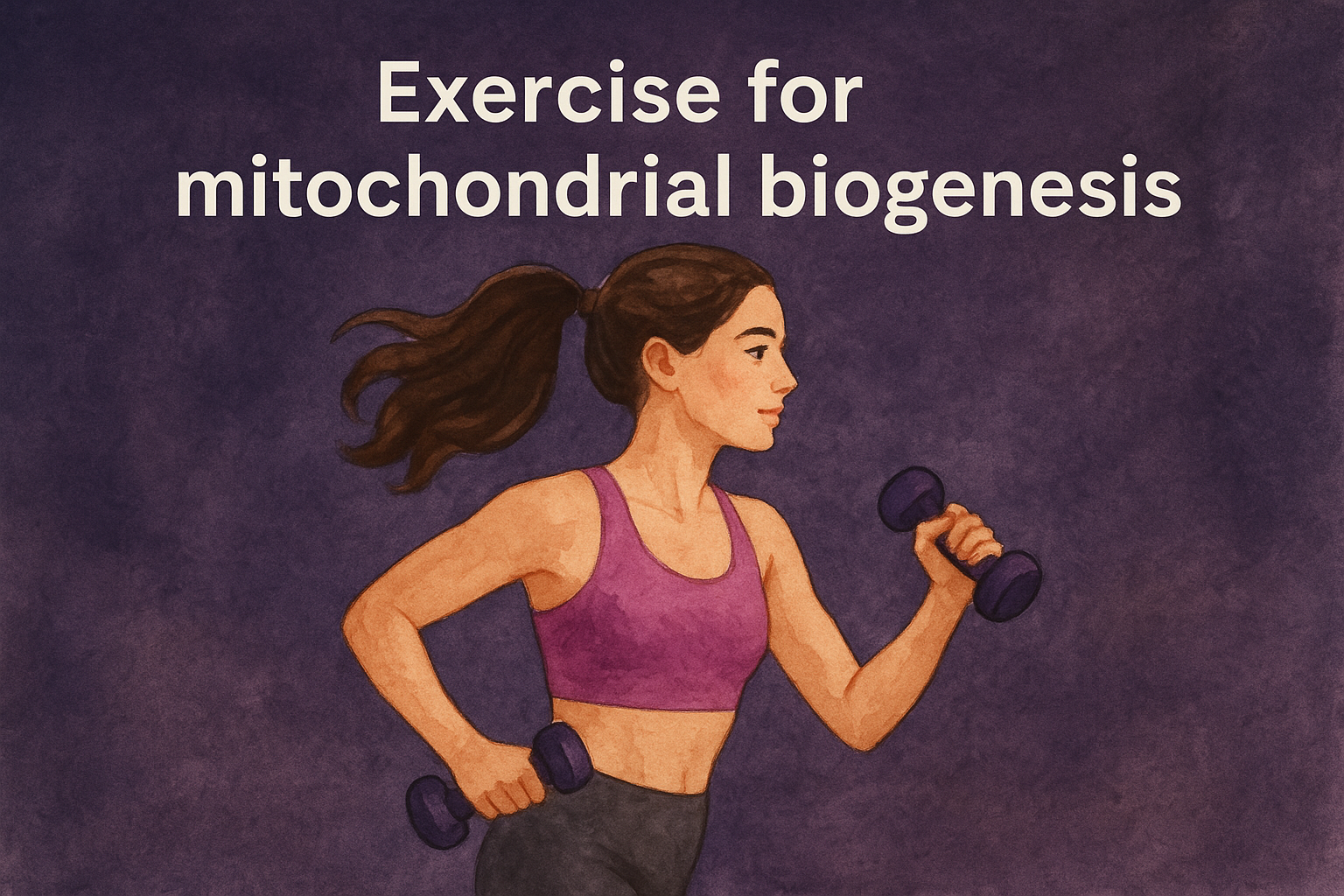
2. Exercise for mitochondrial biogenesis
Exercise is the most well-researched way to trigger mitochondrial biogenesis, the process your body uses to create new mitochondria inside existing cells. When you challenge your muscles, they send signals that force your energy systems to adapt and grow.
Why it helps your mitochondria
Physical activity activates a protein called PGC-1α, which serves as the master regulator of mitochondrial biogenesis. Both high-intensity interval training (HIIT) and zone 2 cardio (steady, conversational-pace aerobic work) stimulate this pathway, though through different mechanisms. HIIT creates a sharp metabolic demand, while zone 2 builds the aerobic base your mitochondria rely on for sustained output.
Consistent aerobic exercise can increase mitochondrial density in muscle cells significantly, which is why endurance athletes show some of the highest cellular energy capacity measured in research.
How to do it this week
Start with three sessions across the week and alternate intensity:
Zone 2 cardio (2x): 30-45 minutes of walking, cycling, or light jogging at a pace where you can hold a full conversation
HIIT (1x): 20 minutes of intervals, 30 seconds hard effort followed by 90 seconds recovery, repeated 8 times
What to watch out for
Overtraining backfires. Too much intensity without adequate recovery actually raises oxidative stress and degrades the very mitochondria you’re working to build. If you’re serious about how to improve mitochondrial health, consistency over weeks beats any single brutal session.
Extra notes for psychedelic recovery
In the 48 hours after a psychedelic session, skip hard training. Your nervous system is already under load. A gentle 20-minute walk supports circulation and cellular repair without adding stress on top of stress.
3. Time-restricted eating and fasting
When you eat matters almost as much as what you eat. Time-restricted eating (TRE) compresses your daily food intake into a defined window, typically 8 to 10 hours, which gives your cells an extended period to shift from growth mode into repair mode.
Why it helps your mitochondria
Fasting triggers autophagy, a cellular recycling process that breaks down damaged mitochondria and replaces them with healthier ones. This specific form, called mitophagy, is one of the most direct ways to answer how to improve mitochondrial health at a cellular level. When you stop eating for 12 or more hours, insulin drops, and your body prioritizes cellular cleanup over fat storage.
Mitophagy removes dysfunctional mitochondria before they accumulate and drag down your overall energy output.
How to do it this week
Start with a 12-hour overnight fast by simply stopping food after dinner and delaying breakfast. Once that feels manageable, extend to a 16:8 pattern, eating within an 8-hour block each day.
Week 1: 12-hour fast, stop eating at 9 PM, eat again at 9 AM
Week 2+: Shift to 16:8 by pushing your first meal to noon
What to watch out for
Restricting your eating window without maintaining calorie intake defeats the purpose. Chronic under-eating suppresses the metabolic signals that drive mitochondrial renewal. Eat enough whole food within your window to support your actual activity level.
Extra notes for psychedelic recovery
In the first 24 hours after a session, skip aggressive fasting. Your body needs glucose and amino acids to rebuild neurotransmitters and power cellular repair. Resume your fasting routine once your baseline energy and mood have stabilized.
4. Eat for stable blood sugar and antioxidants
What you eat either fuels or degrades your mitochondria. Blood sugar spikes force your cells to process excess glucose rapidly, generating oxidative byproducts that damage mitochondrial membranes. Antioxidant-rich foods supply the raw materials your cells use to neutralize that damage before it compounds.
Why it helps your mitochondria
Stable blood sugar keeps insulin signaling balanced, which directly reduces the oxidative load inside cells. Foods high in polyphenols and antioxidants, think blueberries, dark leafy greens, and dark chocolate, donate electrons to free radicals and prevent them from stripping mitochondrial membranes. This is a core piece of how to improve mitochondrial health through diet alone.
Chronic blood sugar instability is one of the most underestimated drivers of mitochondrial dysfunction in otherwise healthy people.
How to do it this week
Build each meal around protein and fiber first, then add complex carbohydrates. Prioritize these foods:
Berries, leafy greens, and cruciferous vegetables for polyphenols
Fatty fish and eggs for mitochondria-supporting omega-3s and choline
Nuts and seeds for vitamin E and magnesium
What to watch out for
Processed sugar and refined carbohydrates are the main culprits. Eating them alone, without fiber or protein, sends blood sugar on a roller coaster that your mitochondria pay for in oxidative damage.
Extra notes for psychedelic recovery
After a session, your blood sugar regulation is temporarily impaired. Stick to whole foods and avoid skipping meals, your mitochondria need a steady supply of glucose and micronutrients to complete the repair cycle.
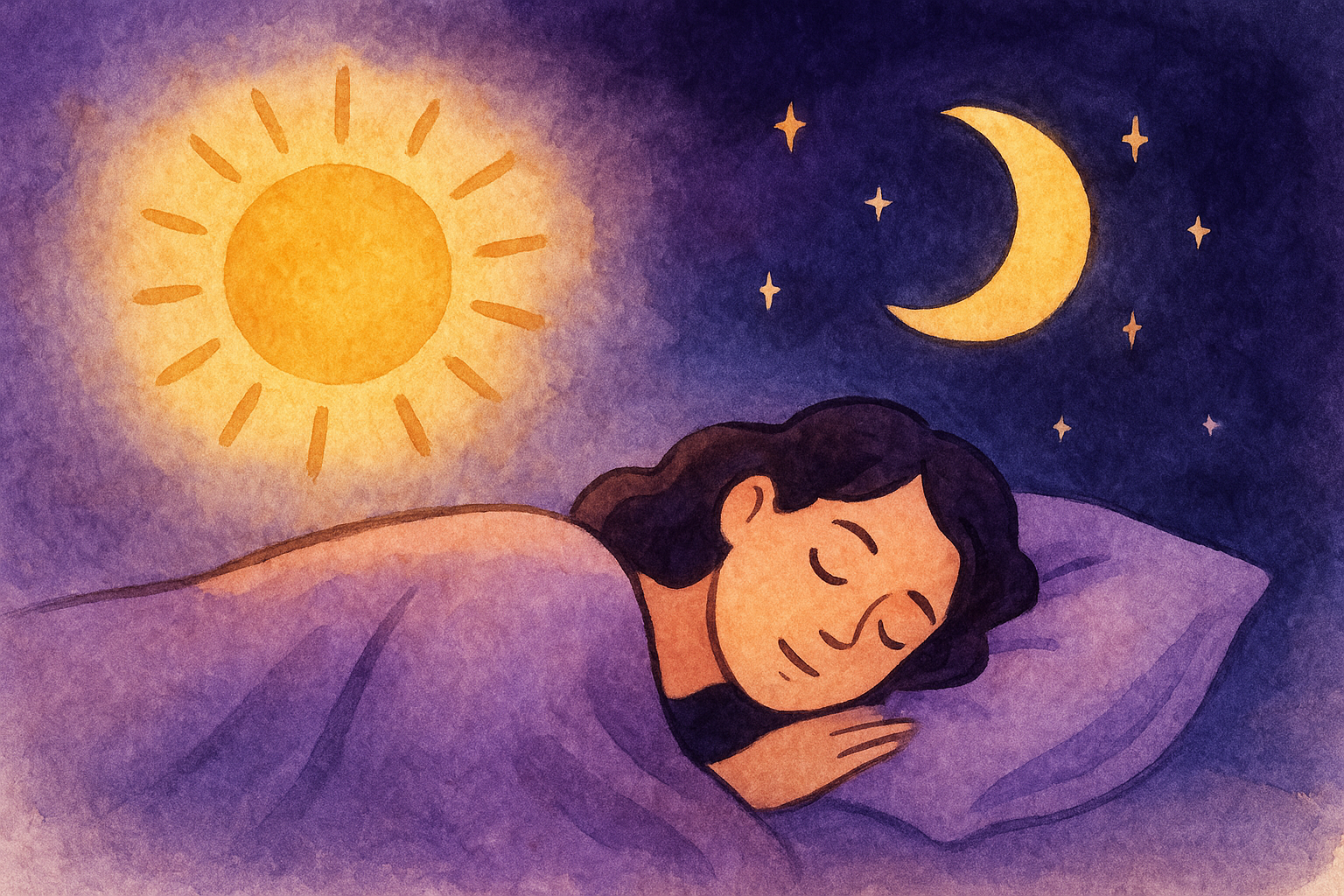
5. Sleep and light for circadian support
Your mitochondria don’t just respond to food and exercise; they operate on a 24-hour internal clock directly tied to light exposure and sleep cycles. Disrupting your circadian rhythm is one of the fastest ways to impair cellular energy production without changing a single thing you eat or do at the gym.
Why it helps your mitochondria
Light acts as the primary signal your body uses to coordinate mitochondrial activity across all tissues. Morning sunlight triggers cortisol and sets your cellular clock into an active, energy-producing state. At night, darkness allows melatonin to rise, which also functions as a direct mitochondrial antioxidant, clearing free radicals inside the cell during overnight repair cycles.
Melatonin isn’t just a sleep hormone; it protects mitochondrial membranes from oxidative damage while you sleep.
How to do it this week
Apply these specific habits to reinforce your circadian signal:
Get outside within 30 minutes of waking to expose your eyes to natural light
Dim artificial lights after 9 PM and avoid blue-light screens before bed
Protect 7 to 9 hours of uninterrupted sleep as a consistent baseline
What to watch out for
Late-night screen exposure is the most common mistake people make. Blue light suppresses melatonin production significantly, shortening the overnight window where your mitochondria do the bulk of their repair work. If you’re serious about how to improve mitochondrial health, protecting sleep quality is not optional.
Extra notes for psychedelic recovery
Sleep quality drops sharply after many psychedelic experiences. The Afterglow protocol’s sleep step addresses this directly with melatonin and calming nutrients timed before bed, giving your mitochondria the full overnight repair window they need to restore baseline function.
6. Heat and cold exposure for resilience
Your body adapts to thermal stress by upgrading its cellular machinery. Both heat exposure (sauna, hot baths) and cold exposure (cold showers, ice baths) force your mitochondria to become more efficient and resilient, which is why both practices appear consistently in research on longevity and metabolic health.
Why it helps your mitochondria
Heat exposure activates heat shock proteins, which repair damaged proteins inside mitochondria and prevent cellular dysfunction from compounding. Cold exposure activates brown adipose tissue and stimulates mitochondrial biogenesis through a pathway similar to exercise. Together, they train your cellular energy systems to handle stress without degrading.
Alternating heat and cold is one of the most underused tools for anyone researching how to improve mitochondrial health without adding more time in the gym.
How to do it this week
Start small and build intensity gradually over two to three weeks. Add these to your weekly routine:
Sauna (2-3x per week): 15-20 minutes at 170-190°F
Cold shower (daily): End each shower with 60-90 seconds of cold water
What to watch out for
Jumping straight into extreme cold without acclimatization can spike cortisol too aggressively and work against recovery rather than supporting it. Give your body two to three weeks to adapt before increasing duration or intensity.
Extra notes for psychedelic recovery
In the first 48 hours after a session, skip ice baths and intense sauna. Your nervous system needs calm, not additional thermal stress. A warm bath fits much better during early recovery.
7. Cut alcohol and reduce toxic exposures
Alcohol and environmental toxins do direct damage to mitochondrial membranes and impair the enzymes responsible for ATP production. Cutting these exposures gives your cells a measurable recovery window that most people underestimate.
Why it helps your mitochondria
Alcohol disrupts mitochondrial membrane potential, the electrical gradient your cells use to drive energy production, and simultaneously depletes glutathione, your primary antioxidant defense. Everyday toxins like cigarette smoke, pesticide residues, and industrial chemicals compound this by interfering with the electron transport chain, the biological system that converts food into usable energy.
Reducing your toxic load is one of the most overlooked answers to how to improve mitochondrial health without adding a single new supplement or habit.
How to do it this week
Cut alcohol completely for at least two consecutive weeks and track how your energy and sleep quality shift. Alongside that, take these practical steps:
Filter your drinking water to reduce heavy metal and chlorine exposure
Choose organic produce for the highest-pesticide crops when possible
Ventilate your living space daily to cut indoor air pollutant buildup
What to watch out for
Replacement habits matter. Swapping alcohol for sugary drinks shifts one metabolic burden for another. Reach for water, herbal tea, or electrolyte drinks instead to keep cellular hydration and mineral balance intact.
Extra notes for psychedelic recovery
After a session, your liver is already working hard to clear metabolic byproducts from the experience. Adding alcohol on top of that compounds the oxidative load during an already demanding recovery window. Keep the 48 to 72 hours post-experience completely alcohol-free.
Your next step
Mitochondrial health isn’t a single habit. It’s the result of stacking the right inputs consistently, movement, sleep, nutrition, fasting, and reducing the exposures that quietly drain your cellular energy. Every strategy in this guide answers how to improve mitochondrial health from a different angle, and the cumulative effect compounds fast when you apply them together.
Start where you have the most leverage. If you use psychedelics, your recovery window is the highest-priority place to intervene, because oxidative stress and neurotransmitter depletion hit your mitochondria hardest in those 48 to 72 hours. Getting your supplements right during that phase protects everything else you’re building.
If you want to understand exactly what goes into a science-backed recovery protocol and why each ingredient was chosen, visit the Afterglow science page to read the full breakdown. Then check out the Afterglow Recovery Protocol and start your next recovery on stronger ground.
Lukas Nelpela
writes on neuroscience, mental health, and mindful exploration. With a passion in research-driven wellness and years focused on set & setting, integration, and recovery, he turns complex ideas into clear, usable insight.
Sleep quality shapes how you think, feel, and recover, whether you’re bouncing back from a tough week or integrating a psychedelic experience. The Harvard sleep hygiene guidelines, developed by researchers at Harvard Medical School, remain some of the most cited and practical recommendations for improving rest. They’re not trendy hacks
If you’ve ever woken up after a psychedelic experience with a locked jaw, tight shoulders, or a neck that barely turns, you already know the toll that sustained muscle tension can take on your body. That tightness doesn’t just sit on the surface, it often lives deeper, in the connective
Stiff hips, locked-up shoulders, a jaw that still feels like a vice grip from last weekend, your body keeps a receipt for everything you put it through. Whether you’re recovering from a heavy festival, an intense psychedelic session, or just sitting at a desk for ten hours straight, mobility work
You already know the drill: you’re lying in bed after a long day (or a long night), scrolling your phone, and sleep feels miles away. Your brain won’t shut off, your eyes sting, and that melatonin you took 40 minutes ago hasn’t kicked in. One of the simplest fixes? Blue
You don’t need a cushion, a quiet room, or even ten free minutes to start meditating. Walking meditation takes something you already do every day, putting one foot in front of the other, and turns it into a focused, grounding practice. If you’ve been searching for walking meditation steps that
We use various cookies on our website. Some are essential for the website to function properly, while others we may only use with your consent. You can find more information about cookies on our website here.
This website uses cookies to improve your experience while you navigate through the website. Out of these cookies, the cookies that are categorized as necessary are stored on your browser as they are essential for the working of basic functionalities of the website. We also use third-party cookies that help us analyze and understand how you use this website. These cookies will be stored on your browser only with your consent. You also have the option to opt-out of these cookies. However, opting out of some of these cookies may have an impact on your browsing experience.
Necessary cookies are absolutely essential for the website to function properly. These cookies anonymously ensure basic functionalities and security features of the website.
Cookie
Duration
Description
cookielawinfo-checkbox-advertisement
1 year
Set by the GDPR Cookie Consent plugin, this cookie records the user consent for the cookies in the "Advertisement" category.
cookielawinfo-checkbox-analytics
11 months
This cookie is set by GDPR Cookie Consent plugin. The cookie is used to store the user consent for the cookies in the category "Analytics".
cookielawinfo-checkbox-functional
11 months
The cookie is set by GDPR cookie consent to record the user consent for the cookies in the category "Functional".
cookielawinfo-checkbox-necessary
11 months
This cookie is set by GDPR Cookie Consent plugin. The cookies is used to store the user consent for the cookies in the category "Necessary".
cookielawinfo-checkbox-others
11 months
This cookie is set by GDPR Cookie Consent plugin. The cookie is used to store the user consent for the cookies in the category "Other.
cookielawinfo-checkbox-performance
11 months
This cookie is set by GDPR Cookie Consent plugin. The cookie is used to store the user consent for the cookies in the category "Performance".
CookieLawInfoConsent
1 year
CookieYes sets this cookie to record the default button state of the corresponding category and the status of CCPA. It works only in coordination with the primary cookie.
elementor
never
The website's WordPress theme uses this cookie. It allows the website owner to implement or change the website's content in real-time.
fb_event_id_atc
30 minutes
Used to match client and server events for Meta Conversion API deduplication. Contains only anonymous technical IDs; no personal data stored.
fb_event_id_ic
30 minutes
Used to match client and server events for Meta Conversion API deduplication. Contains only anonymous technical IDs; no personal data stored.
fb_event_id_pur
30 minutes
Used to match client and server events for Meta Conversion API deduplication. Contains only anonymous technical IDs; no personal data stored.
fb_event_id_vc
30 minutes
Used to match client and server events for Meta Conversion API deduplication. Contains only anonymous technical IDs; no personal data stored.
rc::a
never
This cookie is set by the Google recaptcha service to identify bots to protect the website against malicious spam attacks.
rc::c
session
This cookie is set by the Google recaptcha service to identify bots to protect the website against malicious spam attacks.
viewed_cookie_policy
11 months
The cookie is set by the GDPR Cookie Consent plugin and is used to store whether or not user has consented to the use of cookies. It does not store any personal data.
VISITOR_PRIVACY_METADATA
6 months
YouTube sets this cookie to store the user's cookie consent state for the current domain.
wpEmojiSettingsSupports
session
WordPress sets this cookie when a user interacts with emojis on a WordPress site. It helps determine if the user's browser can display emojis properly.
Functional cookies help to perform certain functions, such as sharing website content on social media platforms, collecting feedback, and other third-party functions.
Cookie
Duration
Description
sib_cuid
6 months
SendinBlue sets this cookie to store unique visits.
VISITOR_INFO1_LIVE
6 months
A cookie set by YouTube to measure bandwidth that determines whether the user gets the new or old player interface.
yt-remote-cast-available
session
The yt-remote-cast-available cookie is used to store the user's preferences regarding whether casting is available on their YouTube video player.
yt-remote-cast-installed
session
The yt-remote-cast-installed cookie is used to store the user's video player preferences using embedded YouTube video.
yt-remote-connected-devices
never
YouTube sets this cookie to store the user's video preferences using embedded YouTube videos.
yt-remote-device-id
never
YouTube sets this cookie to store the user's video preferences using embedded YouTube videos.
yt-remote-fast-check-period
session
The yt-remote-fast-check-period cookie is used by YouTube to store the user's video player preferences for embedded YouTube videos.
yt-remote-session-app
session
The yt-remote-session-app cookie is used by YouTube to store user preferences and information about the interface of the embedded YouTube video player.
yt-remote-session-name
session
The yt-remote-session-name cookie is used by YouTube to store the user's video player preferences using embedded YouTube video.
ytidb::LAST_RESULT_ENTRY_KEY
never
The cookie ytidb::LAST_RESULT_ENTRY_KEY is used by YouTube to store the last search result entry that was clicked by the user. This information is used to improve the user experience by providing more relevant search results in the future.
Performance cookies are used to understand and analyze key website performance indexes, which helps in providing a better user experience for visitors.
Cookie
Duration
Description
SRM_B
1 year 24 days
Used by Microsoft Advertising as a unique ID for visitors.
Analytical cookies are used to understand how visitors interact with the website. These cookies help provide information on metrics such as the number of visitors, bounce rate, traffic source, etc.
Cookie
Duration
Description
_clck
1 year
Microsoft Clarity sets this cookie to retain the browser's Clarity User ID and settings exclusive to that website. This guarantees that actions taken during subsequent visits to the same website will be linked to the same user ID.
_clsk
1 day
Microsoft Clarity sets this cookie to store and consolidate a user's pageviews into a single session recording.
_fbp
3 months
Facebook sets this cookie to display advertisements when either on Facebook or on a digital platform powered by Facebook advertising after visiting the website.
_ga
1 year 1 month 4 days
Google Analytics sets this cookie to calculate visitor, session and campaign data and track site usage for the site's analytics report. The cookie stores information anonymously and assigns a randomly generated number to recognise unique visitors.
_ga_*
1 year 1 month 4 days
Google Analytics sets this cookie to store and count page views.
_gcl_au
3 months
Google Tag Manager sets the cookie to experiment advertisement efficiency of websites using their services.
_hjSession_*
1 hour
Hotjar sets this cookie to ensure data from subsequent visits to the same site is attributed to the same user ID, which persists in the Hotjar User ID, which is unique to that site.
_hjSessionUser_*
1 year
Hotjar sets this cookie to ensure data from subsequent visits to the same site is attributed to the same user ID, which persists in the Hotjar User ID, which is unique to that site.
_hjTLDTest
session
To determine the most generic cookie path that has to be used instead of the page hostname, Hotjar sets the _hjTLDTest cookie to store different URL substring alternatives until it fails.
CLID
1 year
Microsoft Clarity set this cookie to store information about how visitors interact with the website. The cookie helps to provide an analysis report. The data collection includes the number of visitors, where they visit the website, and the pages visited.
MR
7 days
This cookie, set by Bing, is used to collect user information for analytics purposes.
sbjs_current
session
Sourcebuster sets this cookie to identify the source of a visit and stores user action information in cookies. This analytical and behavioural cookie is used to enhance the visitor experience on the website.
sbjs_current_add
session
Sourcebuster sets this cookie to identify the source of a visit and stores user action information in cookies. This analytical and behavioural cookie is used to enhance the visitor experience on the website.
sbjs_first
session
Sourcebuster sets this cookie to identify the source of a visit and stores user action information in cookies. This analytical and behavioural cookie is used to enhance the visitor experience on the website.
sbjs_first_add
session
Sourcebuster sets this cookie to identify the source of a visit and stores user action information in cookies. This analytical and behavioural cookie is used to enhance the visitor experience on the website.
sbjs_migrations
session
Sourcebuster sets this cookie to identify the source of a visit and stores user action information in cookies. This analytical and behavioural cookie is used to enhance the visitor experience on the website.
sbjs_session
1 hour
Sourcebuster sets this cookie to identify the source of a visit and stores user action information in cookies. This analytical and behavioural cookie is used to enhance the visitor experience on the website.
sbjs_udata
session
Sourcebuster sets this cookie to identify the source of a visit and stores user action information in cookies. This analytical and behavioural cookie is used to enhance the visitor experience on the website.
SM
session
Microsoft Clarity cookie set this cookie for synchronizing the MUID across Microsoft domains.
YSC
session
YSC cookie is set by Youtube and is used to track the views of embedded videos on Youtube pages.
Advertising cookies are used to deliver relevant advertisements and marketing campaigns to visitors. These cookies track visitors across websites and collect information to deliver tailored advertisements.
Cookie
Duration
Description
_rdt_uuid
3 months
Reddit sets this cookie to build a profile of your interests and show you relevant ads.
ANONCHK
10 minutes
The ANONCHK cookie, set by Bing, is used to store a user's session ID and verify ads' clicks on the Bing search engine. The cookie helps in reporting and personalization as well.
MUID
1 year 24 days
Bing sets this cookie to recognise unique web browsers visiting Microsoft sites. This cookie is used for advertising, site analytics, and other operations.
test_cookie
15 minutes
doubleclick.net sets this cookie to determine if the user's browser supports cookies.
yt.innertube::nextId
never
YouTube sets this cookie to register a unique ID to store data on what videos from YouTube the user has seen.
yt.innertube::requests
never
YouTube sets this cookie to register a unique ID to store data on what videos from YouTube the user has seen.