How To Get Rid Of Brain Fog: 5 Tips For Sharper Thinking
7 min read
You sit down to focus, stare at your screen, and nothing clicks. Thoughts scatter, simple decisions feel impossible, and your mind moves like it’s stuck in wet concrete. If you’ve been looking up how to get rid of brain fog, you already know the frustration, that heavy, hazy state where your brain simply refuses to cooperate.
Brain fog isn’t a formal medical diagnosis, but it’s a very real symptom with identifiable causes. Stress, poor sleep, nutrient depletion, and intense neurological experiences like psychedelic sessions can all leave your mind running on empty. At Afterglow Supplements, we built our recovery protocol around exactly this problem, the cognitive dullness, mental fatigue, and foggy thinking that often follow a trip. So this topic is something we’ve spent a lot of time researching.
This article covers five practical, evidence-backed strategies to clear the haze and sharpen your thinking. Whether your brain fog stems from everyday lifestyle factors or the aftermath of a powerful psychedelic experience, you’ll walk away with concrete steps you can start using today.
1. Afterglow 4-step recovery protocol
The Afterglow 4-step recovery protocol is a structured supplement regimen built specifically for people recovering from psychedelic experiences. It targets the root physiological causes of post-trip brain fog: neurotransmitter depletion, oxidative stress, dehydration, and disrupted sleep.
Why this can help with brain fog
Psychedelics flood your serotonin system, and the crash afterward drains key neurotransmitters. The Afterglow protocol addresses this by supplying L-Tryptophan (a serotonin precursor), N-Acetylcysteine (NAC) to combat oxidative stress, and Phosphatidylserine to support cognitive function. These ingredients directly target the biological mechanisms behind post-trip mental cloudiness.
Replenishing the specific nutrients your brain loses during a psychedelic experience is one of the most direct answers to how to get rid of brain fog after a session.
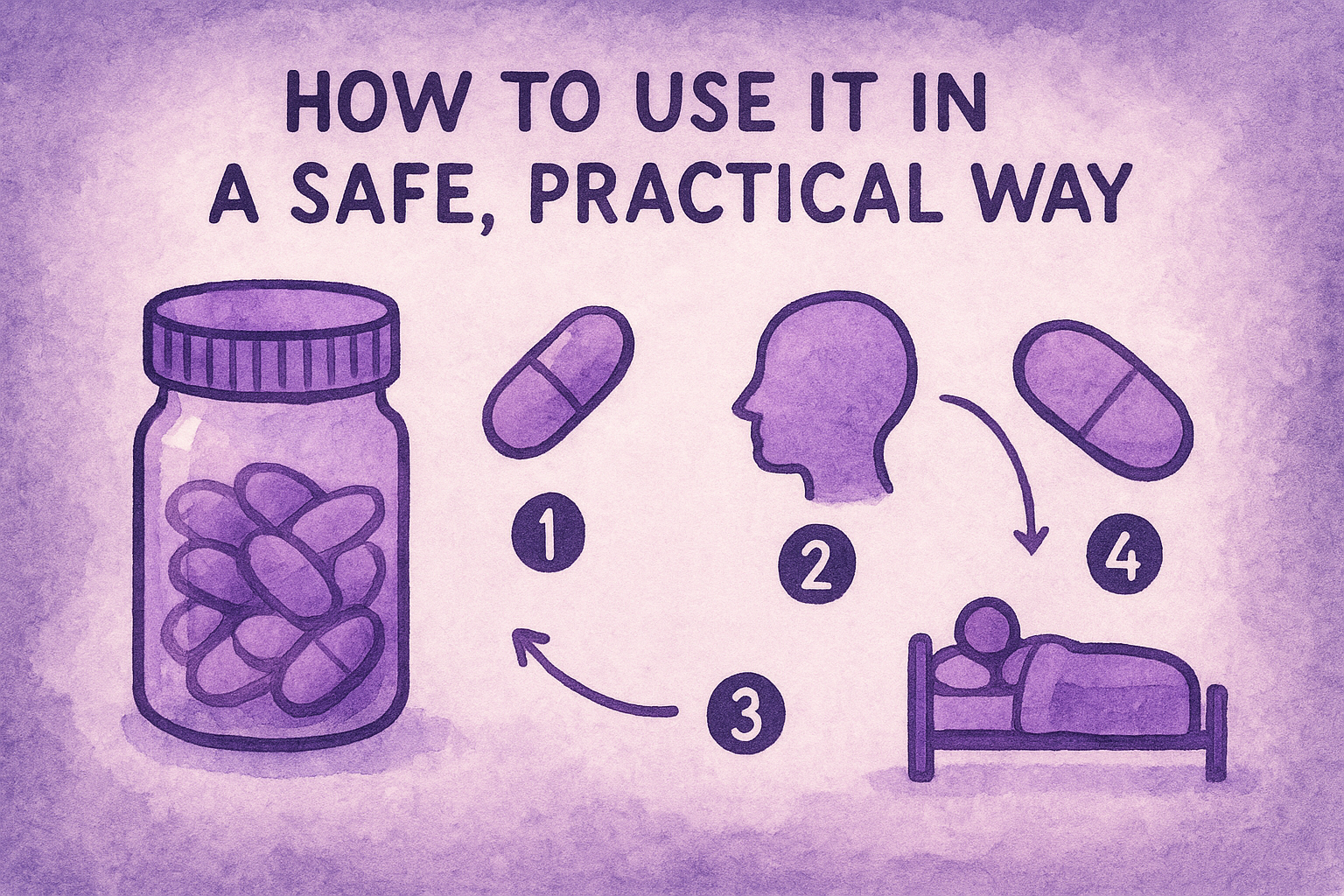
How to use it in a safe, practical way
The protocol runs across four stages: pre-experience, during, before sleep, and post-experience. You take specific supplements at each stage rather than all at once. Follow the dosing instructions on the packaging and avoid combining the protocol with other supplements that affect serotonin without first consulting a medical professional.
Who this fits best
This protocol fits people who use psychedelics regularly or occasionally and want a science-backed recovery system. It also suits biohackers and festival-goers who prioritize harm reduction and want to protect their cognitive baseline after intense experiences.
What results to expect and how fast
Most users report clearer thinking and improved mood within 24 to 48 hours of following the full protocol. Sleep quality often improves the first night, which itself accelerates cognitive recovery significantly.
What to watch out for
Don’t use this protocol as a substitute for medical care if your symptoms are severe or persistent. If you take SSRIs or other serotonin-affecting medications, consult your doctor before adding any tryptophan-based supplements to your routine.
2. Prioritize restorative sleep
Sleep is your brain’s primary repair window. When you cut it short or interrupt it, your prefrontal cortex takes the biggest hit, which directly produces the scattered, sluggish thinking most people call brain fog.
Why this can help with brain fog
During deep sleep, your brain clears metabolic waste through the glymphatic system, a process that removes toxic byproducts linked to cognitive impairment. Poor sleep blocks this cleanup, leaving you foggy the next day. One of the most reliable answers to how to get rid of brain fog is simply letting your brain finish its nightly maintenance.
Even a single night of poor sleep can cut working memory and attention by a measurable margin.
How to do it tonight and this week
Set a consistent bedtime and keep it, even on weekends. Cut screen exposure 60 minutes before bed and keep your room cool and dark. Magnesium glycinate before sleep supports muscle relaxation and deeper rest.
Who this fits best
This approach works for anyone experiencing brain fog, but it’s especially critical for people recovering from intense physical or neurological stress.
What results to expect and how fast
Most people notice sharper focus and better mood after two to three nights of quality sleep.
What to watch out for
Avoid alcohol and high-sugar foods close to bedtime, as both disrupt sleep architecture and worsen cognitive recovery.
3. Rehydrate and replenish electrolytes
Water isn’t just for thirst. Your brain is roughly 75% water, and even mild dehydration measurably impairs concentration, memory, and processing speed.
Why this can help with brain fog
Dehydration reduces blood flow to the brain and disrupts nerve signal transmission. Electrolytes like sodium, potassium, and magnesium maintain the electrical gradients neurons use to fire, so losing them through sweat or a poor diet directly cuts your mental sharpness. If you’re wondering how to get rid of brain fog, rehydration is often the fastest fix available.
Dehydration as mild as 1% of body weight can produce measurable drops in focus and short-term memory.
How to do it throughout the day
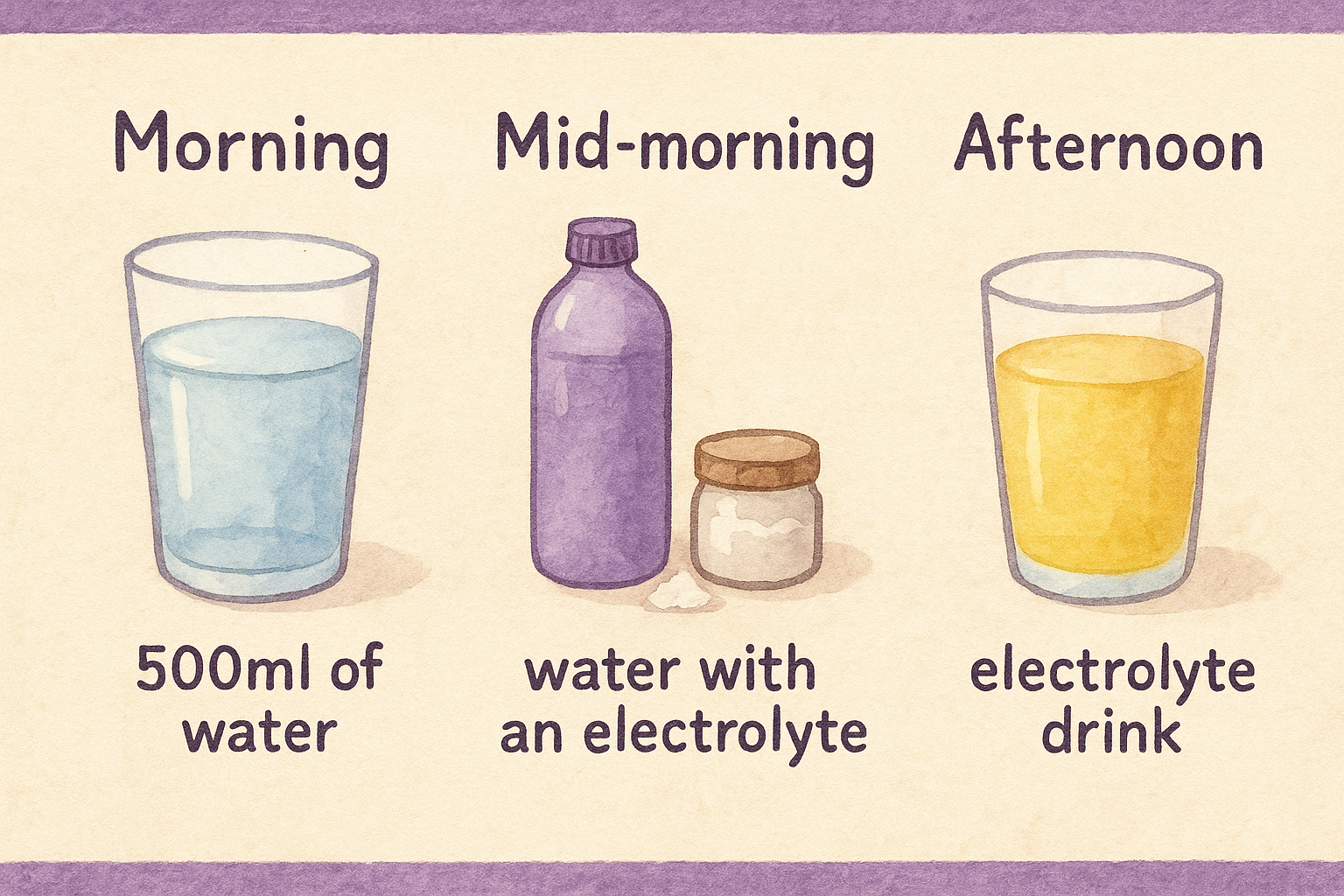
Space your fluid intake across the day instead of gulping large amounts at once. A simple daily structure that works:
Morning: 500ml of water before any caffeine
Mid-morning: water with an electrolyte supplement or a pinch of sea salt
Afternoon: another electrolyte drink, especially after physical activity
Who this fits best
This approach works for everyone dealing with brain fog, but it’s especially critical after intense physical exertion, heat exposure, or a psychedelic session, when both fluid and mineral loss are highest.
What results to expect and how fast
Many people notice sharper focus within 30 to 60 minutes of rehydrating properly. Consistent daily intake delivers better results than one large catch-up drink.
What to watch out for
Avoid drinking large amounts of plain water without electrolytes. Doing so can dilute sodium levels and actually worsen your cognitive symptoms.
4. Eat for stable energy and key nutrients
Your diet directly shapes how your brain performs hour to hour. Blood sugar swings, nutrient deficiencies, and inflammatory foods all contribute to the mental fog that makes focusing feel impossible.
Why this can help with brain fog
Your brain runs on glucose and key micronutrients like B vitamins, magnesium, and omega-3 fatty acids. When your diet delivers these inconsistently, your neurons struggle to produce neurotransmitters and maintain focus. One direct way to address how to get rid of brain fog is to stabilize what you feed your brain each day.
Deficiencies in B12, magnesium, and omega-3s are among the most common nutritional drivers of persistent cognitive cloudiness.
How to build brain-fog-friendly meals
Anchor each meal around protein and complex carbohydrates to keep blood sugar stable. Adding fatty fish, eggs, leafy greens, and nuts covers your essential micronutrient bases without requiring complicated meal planning.
Who this fits best
This approach suits anyone dealing with brain fog, but it pays off most for people with irregular eating patterns or those recovering from intense experiences that deplete nutrients rapidly.
What results to expect and how fast
Consistent nutrient-dense eating typically produces noticeable improvements in mental clarity within three to five days.
What to watch out for
Avoid ultra-processed foods and refined sugar, both of which spike and crash blood glucose and worsen cognitive symptoms throughout the day.
5. Reduce stress and cognitive overload
Chronic stress doesn’t just wear you down emotionally. It physically impairs your brain’s ability to think clearly by flooding your system with cortisol, which disrupts memory formation and narrows attention span.
Why this can help with brain fog
When your stress response stays activated for long periods, your brain shifts resources away from higher-order thinking and toward survival functions. This is a direct neurological cause of brain fog. Reducing your mental load gives your prefrontal cortex the space it needs to function properly again, and it’s a core part of how to get rid of brain fog that many people overlook.
Sustained high cortisol levels measurably reduce gray matter density in brain regions responsible for focus and decision-making.
How to lower mental load at work and home
Single-tasking instead of multitasking cuts cognitive switching costs significantly. Try time-blocking your day into focused 60-minute work sessions with deliberate breaks. Short breathwork or mindfulness practices, even five minutes, lower cortisol and restore attention faster than most people expect.
Who this fits best
This fits anyone carrying a heavy mental workload, including people managing high-pressure jobs, caregiving responsibilities, or ongoing recovery from intense experiences.
What results to expect and how fast
Most people notice improved focus and reduced mental fatigue within two to four days of consistent stress reduction practices.
What to watch out for
Avoid using passive screen scrolling as a wind-down strategy, as it increases cognitive stimulation and extends your stress response rather than lowering it.
Your next step
Brain fog rarely has a single cause, which means the fix usually involves addressing multiple factors at once. The five strategies in this article each target a different piece of the puzzle: neurotransmitter recovery, sleep, hydration, nutrition, and stress. Applying even two or three of them consistently will move the needle on how to get rid of brain fog faster than any single approach on its own.
If your brain fog follows a psychedelic experience, you have a more specific starting point. The Afterglow 4-step recovery protocol is built precisely for this situation, supplying the ingredients your brain needs to bounce back without the guesswork. Rather than piecing together individual supplements, you get a structured, science-backed system designed for the exact recovery window you’re in.
Start today with whatever feels most accessible, better sleep tonight, a glass of water with electrolytes, or a look at the Afterglow recovery protocol to see if it fits your situation.
Lukas Nelpela
writes on neuroscience, mental health, and mindful exploration. With a passion in research-driven wellness and years focused on set & setting, integration, and recovery, he turns complex ideas into clear, usable insight.
You’re staring at your screen, reading the same sentence for the fourth time, and nothing sticks. Your thoughts feel like they’re wading through wet cement. So what is brain fog, exactly? It’s not a medical diagnosis, it’s a catch-all term for that frustrating state of mental cloudiness where focus, memory,
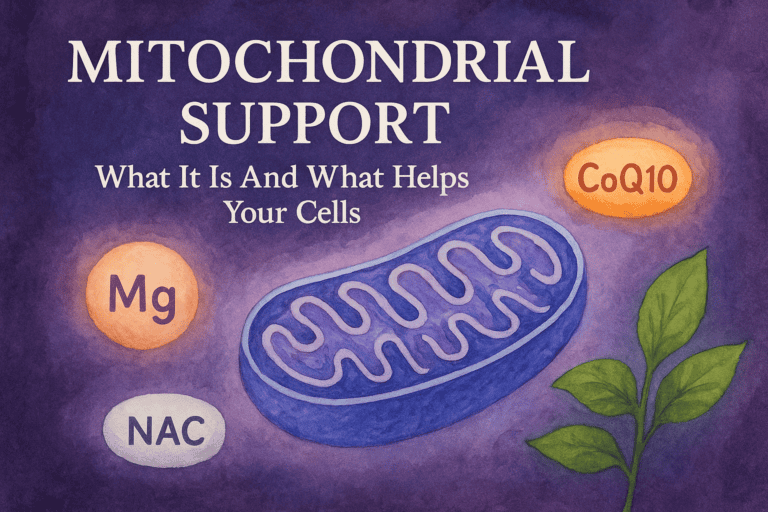
Every process in your body, thinking, moving, recovering, runs on energy produced inside your cells. That energy comes from mitochondria, and when they’re not functioning well, you feel it: brain fog, fatigue, slow recovery, and a general sense of running on empty. Mitochondrial support refers to the nutrients, habits, and
Working nights, rotating schedules, or pulling irregular hours throws your body’s internal clock into a constant state of confusion. Around 20% of the global workforce does some form of shift work, and the majority of those people report poor sleep as their number one complaint. Good sleep hygiene for shift
Stiff ankles affect more than just your squat depth. Limited ankle range of motion can mess with your knees, hips, and lower back, and if you spend long hours on your feet at festivals, retreats, or anywhere that keeps you moving, you’ll feel it. A solid ankle mobility routine takes
Sleep quality shapes how you think, feel, and recover, whether you’re bouncing back from a tough week or integrating a psychedelic experience. The Harvard sleep hygiene guidelines, developed by researchers at Harvard Medical School, remain some of the most cited and practical recommendations for improving rest. They’re not trendy hacks
We use various cookies on our website. Some are essential for the website to function properly, while others we may only use with your consent. You can find more information about cookies on our website here.
This website uses cookies to improve your experience while you navigate through the website. Out of these cookies, the cookies that are categorized as necessary are stored on your browser as they are essential for the working of basic functionalities of the website. We also use third-party cookies that help us analyze and understand how you use this website. These cookies will be stored on your browser only with your consent. You also have the option to opt-out of these cookies. However, opting out of some of these cookies may have an impact on your browsing experience.
Necessary cookies are absolutely essential for the website to function properly. These cookies anonymously ensure basic functionalities and security features of the website.
Cookie
Duration
Description
cookielawinfo-checkbox-advertisement
1 year
Set by the GDPR Cookie Consent plugin, this cookie records the user consent for the cookies in the "Advertisement" category.
cookielawinfo-checkbox-analytics
11 months
This cookie is set by GDPR Cookie Consent plugin. The cookie is used to store the user consent for the cookies in the category "Analytics".
cookielawinfo-checkbox-functional
11 months
The cookie is set by GDPR cookie consent to record the user consent for the cookies in the category "Functional".
cookielawinfo-checkbox-necessary
11 months
This cookie is set by GDPR Cookie Consent plugin. The cookies is used to store the user consent for the cookies in the category "Necessary".
cookielawinfo-checkbox-others
11 months
This cookie is set by GDPR Cookie Consent plugin. The cookie is used to store the user consent for the cookies in the category "Other.
cookielawinfo-checkbox-performance
11 months
This cookie is set by GDPR Cookie Consent plugin. The cookie is used to store the user consent for the cookies in the category "Performance".
CookieLawInfoConsent
1 year
CookieYes sets this cookie to record the default button state of the corresponding category and the status of CCPA. It works only in coordination with the primary cookie.
elementor
never
The website's WordPress theme uses this cookie. It allows the website owner to implement or change the website's content in real-time.
fb_event_id_atc
30 minutes
Used to match client and server events for Meta Conversion API deduplication. Contains only anonymous technical IDs; no personal data stored.
fb_event_id_ic
30 minutes
Used to match client and server events for Meta Conversion API deduplication. Contains only anonymous technical IDs; no personal data stored.
fb_event_id_pur
30 minutes
Used to match client and server events for Meta Conversion API deduplication. Contains only anonymous technical IDs; no personal data stored.
fb_event_id_vc
30 minutes
Used to match client and server events for Meta Conversion API deduplication. Contains only anonymous technical IDs; no personal data stored.
rc::a
never
This cookie is set by the Google recaptcha service to identify bots to protect the website against malicious spam attacks.
rc::c
session
This cookie is set by the Google recaptcha service to identify bots to protect the website against malicious spam attacks.
viewed_cookie_policy
11 months
The cookie is set by the GDPR Cookie Consent plugin and is used to store whether or not user has consented to the use of cookies. It does not store any personal data.
VISITOR_PRIVACY_METADATA
6 months
YouTube sets this cookie to store the user's cookie consent state for the current domain.
wpEmojiSettingsSupports
session
WordPress sets this cookie when a user interacts with emojis on a WordPress site. It helps determine if the user's browser can display emojis properly.
Functional cookies help to perform certain functions, such as sharing website content on social media platforms, collecting feedback, and other third-party functions.
Cookie
Duration
Description
sib_cuid
6 months
SendinBlue sets this cookie to store unique visits.
VISITOR_INFO1_LIVE
6 months
A cookie set by YouTube to measure bandwidth that determines whether the user gets the new or old player interface.
yt-remote-cast-available
session
The yt-remote-cast-available cookie is used to store the user's preferences regarding whether casting is available on their YouTube video player.
yt-remote-cast-installed
session
The yt-remote-cast-installed cookie is used to store the user's video player preferences using embedded YouTube video.
yt-remote-connected-devices
never
YouTube sets this cookie to store the user's video preferences using embedded YouTube videos.
yt-remote-device-id
never
YouTube sets this cookie to store the user's video preferences using embedded YouTube videos.
yt-remote-fast-check-period
session
The yt-remote-fast-check-period cookie is used by YouTube to store the user's video player preferences for embedded YouTube videos.
yt-remote-session-app
session
The yt-remote-session-app cookie is used by YouTube to store user preferences and information about the interface of the embedded YouTube video player.
yt-remote-session-name
session
The yt-remote-session-name cookie is used by YouTube to store the user's video player preferences using embedded YouTube video.
ytidb::LAST_RESULT_ENTRY_KEY
never
The cookie ytidb::LAST_RESULT_ENTRY_KEY is used by YouTube to store the last search result entry that was clicked by the user. This information is used to improve the user experience by providing more relevant search results in the future.
Performance cookies are used to understand and analyze key website performance indexes, which helps in providing a better user experience for visitors.
Cookie
Duration
Description
SRM_B
1 year 24 days
Used by Microsoft Advertising as a unique ID for visitors.
Analytical cookies are used to understand how visitors interact with the website. These cookies help provide information on metrics such as the number of visitors, bounce rate, traffic source, etc.
Cookie
Duration
Description
_clck
1 year
Microsoft Clarity sets this cookie to retain the browser's Clarity User ID and settings exclusive to that website. This guarantees that actions taken during subsequent visits to the same website will be linked to the same user ID.
_clsk
1 day
Microsoft Clarity sets this cookie to store and consolidate a user's pageviews into a single session recording.
_fbp
3 months
Facebook sets this cookie to display advertisements when either on Facebook or on a digital platform powered by Facebook advertising after visiting the website.
_ga
1 year 1 month 4 days
Google Analytics sets this cookie to calculate visitor, session and campaign data and track site usage for the site's analytics report. The cookie stores information anonymously and assigns a randomly generated number to recognise unique visitors.
_ga_*
1 year 1 month 4 days
Google Analytics sets this cookie to store and count page views.
_gcl_au
3 months
Google Tag Manager sets the cookie to experiment advertisement efficiency of websites using their services.
_hjSession_*
1 hour
Hotjar sets this cookie to ensure data from subsequent visits to the same site is attributed to the same user ID, which persists in the Hotjar User ID, which is unique to that site.
_hjSessionUser_*
1 year
Hotjar sets this cookie to ensure data from subsequent visits to the same site is attributed to the same user ID, which persists in the Hotjar User ID, which is unique to that site.
_hjTLDTest
session
To determine the most generic cookie path that has to be used instead of the page hostname, Hotjar sets the _hjTLDTest cookie to store different URL substring alternatives until it fails.
CLID
1 year
Microsoft Clarity set this cookie to store information about how visitors interact with the website. The cookie helps to provide an analysis report. The data collection includes the number of visitors, where they visit the website, and the pages visited.
MR
7 days
This cookie, set by Bing, is used to collect user information for analytics purposes.
sbjs_current
session
Sourcebuster sets this cookie to identify the source of a visit and stores user action information in cookies. This analytical and behavioural cookie is used to enhance the visitor experience on the website.
sbjs_current_add
session
Sourcebuster sets this cookie to identify the source of a visit and stores user action information in cookies. This analytical and behavioural cookie is used to enhance the visitor experience on the website.
sbjs_first
session
Sourcebuster sets this cookie to identify the source of a visit and stores user action information in cookies. This analytical and behavioural cookie is used to enhance the visitor experience on the website.
sbjs_first_add
session
Sourcebuster sets this cookie to identify the source of a visit and stores user action information in cookies. This analytical and behavioural cookie is used to enhance the visitor experience on the website.
sbjs_migrations
session
Sourcebuster sets this cookie to identify the source of a visit and stores user action information in cookies. This analytical and behavioural cookie is used to enhance the visitor experience on the website.
sbjs_session
1 hour
Sourcebuster sets this cookie to identify the source of a visit and stores user action information in cookies. This analytical and behavioural cookie is used to enhance the visitor experience on the website.
sbjs_udata
session
Sourcebuster sets this cookie to identify the source of a visit and stores user action information in cookies. This analytical and behavioural cookie is used to enhance the visitor experience on the website.
SM
session
Microsoft Clarity cookie set this cookie for synchronizing the MUID across Microsoft domains.
YSC
session
YSC cookie is set by Youtube and is used to track the views of embedded videos on Youtube pages.
Advertising cookies are used to deliver relevant advertisements and marketing campaigns to visitors. These cookies track visitors across websites and collect information to deliver tailored advertisements.
Cookie
Duration
Description
_rdt_uuid
3 months
Reddit sets this cookie to build a profile of your interests and show you relevant ads.
ANONCHK
10 minutes
The ANONCHK cookie, set by Bing, is used to store a user's session ID and verify ads' clicks on the Bing search engine. The cookie helps in reporting and personalization as well.
MUID
1 year 24 days
Bing sets this cookie to recognise unique web browsers visiting Microsoft sites. This cookie is used for advertising, site analytics, and other operations.
test_cookie
15 minutes
doubleclick.net sets this cookie to determine if the user's browser supports cookies.
yt.innertube::nextId
never
YouTube sets this cookie to register a unique ID to store data on what videos from YouTube the user has seen.
yt.innertube::requests
never
YouTube sets this cookie to register a unique ID to store data on what videos from YouTube the user has seen.