What Is Brain Fog? Symptoms, Causes, And How To Clear It
8 min read
You’re staring at your screen, reading the same sentence for the fourth time, and nothing sticks. Your thoughts feel like they’re wading through wet cement. So what is brain fog, exactly? It’s not a medical diagnosis, it’s a catch-all term for that frustrating state of mental cloudiness where focus, memory, and clear thinking all seem just out of reach.
Brain fog can show up for dozens of reasons: poor sleep, chronic stress, nutritional deficiencies, hormonal shifts, or the aftermath of intense neurochemical experiences. If you’ve ever felt mentally dull or sluggish after a psychedelic session, you’ve likely encountered one of its most recognizable forms, a temporary cognitive haze caused by neurotransmitter depletion and physical exhaustion. It’s one of the core problems we built Afterglow Supplements to address.
This article breaks down the symptoms that signal brain fog, walks through the most common causes, and gives you practical steps to clear it. Whether your fog is showing up on a random Tuesday or the morning after a transformative experience, understanding what’s happening in your brain is the first step toward fixing it.
Why brain fog matters
Brain fog isn’t just a minor inconvenience you push through. When your thinking is consistently slow or scattered, it affects every decision you make, every conversation you have, and your ability to get anything meaningful done. Recognizing what is brain fog means treating it as a real physiological state, not laziness or a bad attitude, and one that deserves active attention rather than dismissal.
The real-world cost of mental cloudiness
When brain fog hits, your cognitive performance drops across the board. Tasks that normally take 20 minutes stretch into an hour. You miss details, forget names, lose track of conversations, and make decisions you later regret. Research consistently links chronic cognitive impairment with reduced work output, strained relationships, and lower overall quality of life. The compounding effect is what makes it genuinely dangerous: the longer you stay foggy, the harder it becomes to identify and fix the root cause.
Ignoring brain fog doesn’t make it go away. It usually means the underlying cause keeps building, and the fog only gets thicker.
Your mental clarity directly affects your emotional regulation, too. When your brain is struggling to process information, frustration and irritability tend to follow. You’re not thinking clearly, so small problems feel larger, and your ability to manage your own reactions takes a hit. Fog isn’t just a cognitive issue; it’s an emotional one.
Why it hits harder after intense experiences
If you’ve recently gone through a psychedelic session or a high-stress event, brain fog can feel especially severe. These experiences draw heavily on your neurochemistry, depleting serotonin, dopamine, and other neurotransmitters that support focus, mood, and clear cognitive function. Your brain is running low, and the haze you feel is a direct reflection of that depletion.
Treating post-experience fog the same way you’d treat any other brain fog misses the specific mechanisms at play. Your body needs the right nutritional building blocks to rebuild neurotransmitters, rehydrate at a cellular level, and restore normal function. Skipping that targeted recovery step means the fog lingers far longer than it needs to.
Brain fog symptoms and what it feels like
Part of understanding what is brain fog is learning to recognize it before it spirals. The experience varies from person to person, but it almost always involves a noticeable gap between how sharp you usually feel and how you feel right now. That gap is what tells you something is off.
Cognitive symptoms
The most obvious signs show up in your thinking. You struggle to concentrate on tasks that normally feel routine, your working memory becomes unreliable, and you find yourself re-reading the same paragraph or re-listening to the same part of a conversation. Word retrieval slows down, so you feel like the right words are sitting just behind a wall you can’t quite reach. Decision-making feels laborious, even for small choices.
When your brain fog is neurochemical in origin, like after a psychedelic session, these cognitive symptoms tend to come bundled with low mood and emotional flatness.
Physical and emotional symptoms
Brain fog rarely stays purely mental. Physically, you might notice persistent fatigue that sleep doesn’t fix, tension headaches, and a general sense that your body is running at half capacity. Motivation drops sharply, and tasks that normally feel manageable start to feel overwhelming. Emotionally, irritability and a low-grade anxiety often ride alongside the cognitive slowness, making it harder to regulate your reactions or stay present in conversations.
Taken together, these symptoms form a recognizable pattern: your brain is under-resourced, and every system that depends on it pays the price.
Common causes and triggers of brain fog
Understanding what triggers brain fog matters as much as knowing what is brain fog itself. The causes range from chronic lifestyle patterns to acute neurochemical events, and identifying your specific trigger is what makes the difference between guessing and actually fixing it.
Physical and lifestyle factors
The most widespread causes are poor sleep, chronic stress, and nutritional deficiencies. When your body doesn’t get enough rest, your brain’s ability to clear metabolic waste slows down, leaving you foggy and slow the next day. Dehydration is another underrated driver; even mild fluid loss impairs cognitive function measurably. A diet low in key micronutrients like B vitamins, magnesium, and omega-3 fatty acids starves the neurological processes that keep your thinking sharp.
Fixing even one of these physical factors consistently can produce a noticeable shift in your mental clarity within days.
Hormonal imbalances and inflammatory conditions also contribute significantly. Thyroid dysfunction, cortisol dysregulation, and chronic low-grade inflammation all interfere with neurotransmitter signaling and energy metabolism in the brain.
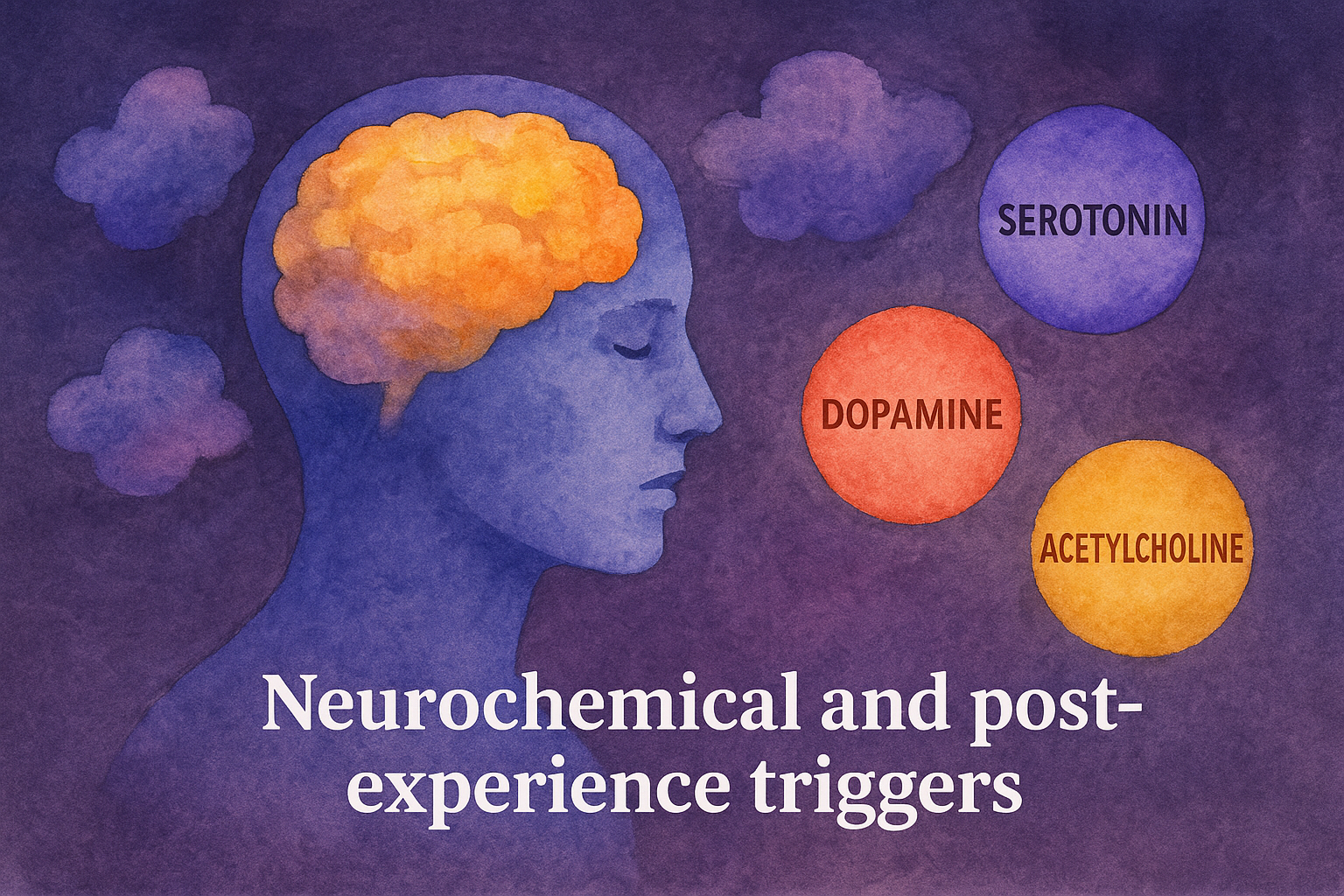
Neurochemical and post-experience triggers
Intense experiences, whether a psychedelic session, a prolonged stretch of high stress, or extended sleep deprivation, create a specific type of brain fog rooted in neurotransmitter depletion. Your brain burns through serotonin, dopamine, and acetylcholine at an accelerated rate during these events, and the aftermath is cognitive dullness, flat mood, and difficulty concentrating. Without targeted nutritional support to rebuild those neurotransmitters, recovery drags on far longer than it needs to.
How to clear brain fog
Knowing what is brain fog is only half the equation. Clearing it requires addressing the specific root cause driving it, not just hoping it passes on its own. The steps below work whether your fog comes from a rough sleep streak, chronic stress, or the aftermath of an intense neurochemical experience.
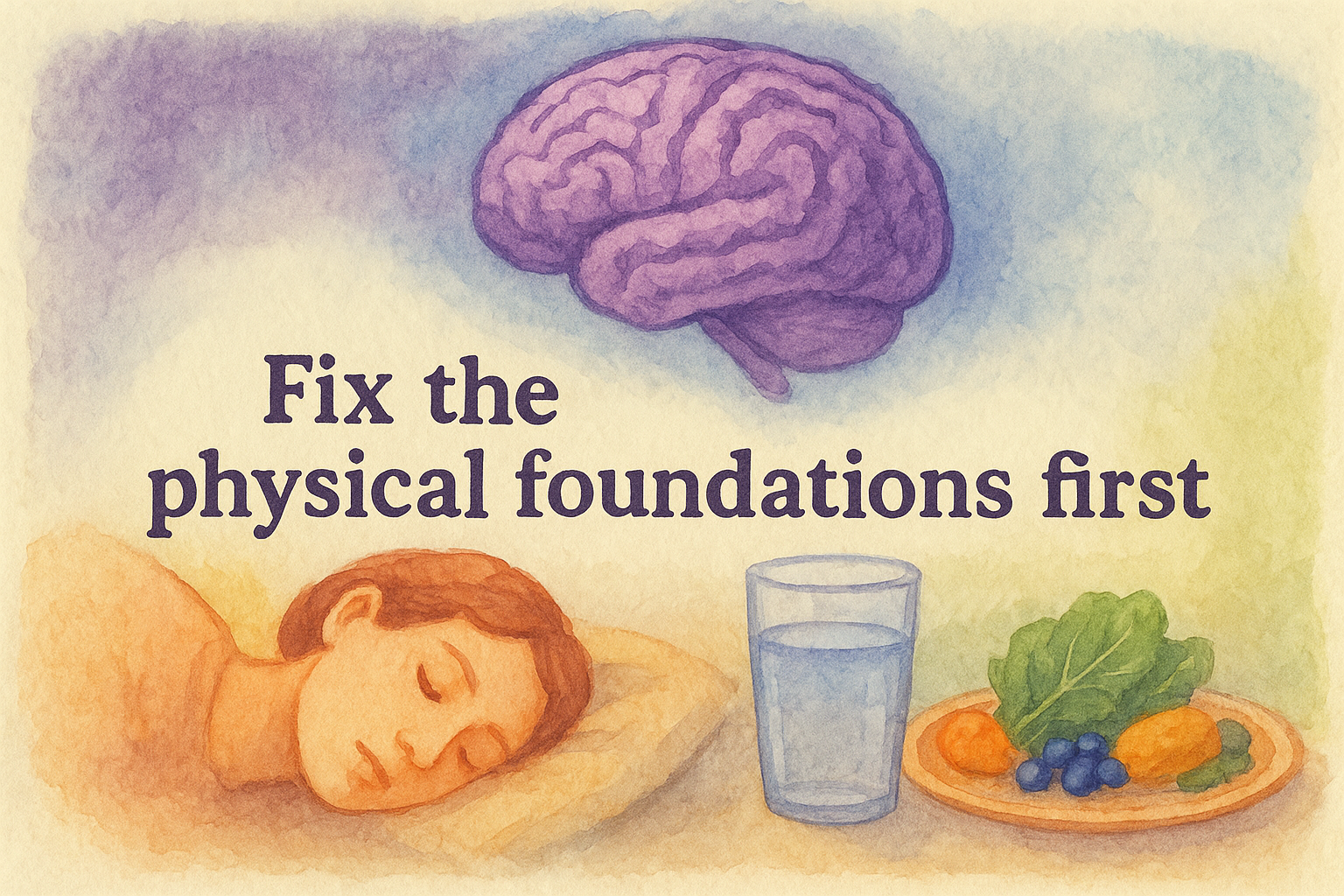
Fix the physical foundations first
Start with the basics your brain physically depends on: sleep, hydration, and nutrition. Getting seven to nine hours of quality sleep consistently gives your brain the window it needs to clear metabolic waste and restore cognitive function. Drinking enough water throughout the day, even slightly more than you think you need, removes one of the most common and most overlooked triggers of cognitive slowdown.
Your diet matters more than most people realize. Foods rich in B vitamins, magnesium, and omega-3 fatty acids directly support neurotransmitter production and reduce neuroinflammation. Cutting back on ultra-processed foods and alcohol removes two of the most reliable ways people unknowingly deepen their own fog.
Replenish what your brain actually used
When your fog stems from neurotransmitter depletion, food alone often isn’t enough to rebuild what your brain burned through.
Targeted supplementation fills the gap. L-Tryptophan supports serotonin recovery, while magnesium bisglycinate calms an overactive nervous system and improves sleep quality. N-Acetylcysteine (NAC) and phosphatidylserine support cellular repair and reduce the oxidative stress that keeps your cognition sluggish. If your brain fog followed a psychedelic session or a similar high-intensity event, a structured recovery protocol addresses the specific deficits rather than applying a generic fix.
When to see a doctor
Most brain fog clears within a few days once you address the underlying trigger. But if yours keeps coming back or never fully lifts, that pattern is worth taking seriously. Persistent cognitive cloudiness can signal an underlying medical condition that goes beyond lifestyle factors, and pushing through it without a professional evaluation just delays the help you actually need.
Signs that point to something more serious
Not all brain fog is the same. Temporary fog tied to poor sleep or recent intense experiences typically responds to recovery within days. When that isn’t happening, pay attention to the pattern. You should book an appointment with your doctor if you notice any of the following:
Brain fog that lasts more than two to three weeks without improvement
Sudden, severe cognitive decline with no obvious cause
Fog paired with numbness, vision changes, or difficulty speaking
Mood disturbances like depression that persist beyond a short recovery window
Any cognitive symptoms that follow a head injury or illness
Knowing what is brain fog helps you recognize when it’s no longer just a recovery issue and starts looking like a symptom of something deeper.
What to tell your doctor
Walk into the appointment prepared. Track when your fog started, how long it’s lasted, and any other symptoms that accompany it. Your doctor needs that timeline to rule out conditions like thyroid dysfunction, autoimmune disorders, or chronic infections, all of which can present as persistent cognitive impairment. The more specific you are, the faster they can point you toward the right tests and solutions.
A clearer next step
Brain fog is a signal, not a personality flaw. Understanding what is brain fog gives you the framework to stop pushing through the haze and start addressing what’s actually causing it. Sleep, nutrition, hydration, and targeted supplementation are the levers that matter most, and pulling the right one depends on knowing your specific trigger.
If your fog follows a psychedelic session or an intense neurochemical experience, your recovery needs more precision than a good night’s sleep alone can provide. Afterglow’s science-backed recovery protocol was built specifically for that gap, giving your brain the building blocks it needs to rebuild neurotransmitters, reduce oxidative stress, and clear the mental cloudiness faster. You don’t have to wait days to feel like yourself again. Check out the Afterglow Recovery Protocol and give your brain what it actually needs to recover.
Lukas Nelpela
writes on neuroscience, mental health, and mindful exploration. With a passion in research-driven wellness and years focused on set & setting, integration, and recovery, he turns complex ideas into clear, usable insight.
Every process in your body, thinking, moving, recovering, runs on energy produced inside your cells. That energy comes from mitochondria, and when they’re not functioning well, you feel it: brain fog, fatigue, slow recovery, and a general sense of running on empty. Mitochondrial support refers to the nutrients, habits, and
You sit down to focus, stare at your screen, and nothing clicks. Thoughts scatter, simple decisions feel impossible, and your mind moves like it’s stuck in wet concrete. If you’ve been looking up how to get rid of brain fog, you already know the frustration, that heavy, hazy state where
Working nights, rotating schedules, or pulling irregular hours throws your body’s internal clock into a constant state of confusion. Around 20% of the global workforce does some form of shift work, and the majority of those people report poor sleep as their number one complaint. Good sleep hygiene for shift
Stiff ankles affect more than just your squat depth. Limited ankle range of motion can mess with your knees, hips, and lower back, and if you spend long hours on your feet at festivals, retreats, or anywhere that keeps you moving, you’ll feel it. A solid ankle mobility routine takes
Sleep quality shapes how you think, feel, and recover, whether you’re bouncing back from a tough week or integrating a psychedelic experience. The Harvard sleep hygiene guidelines, developed by researchers at Harvard Medical School, remain some of the most cited and practical recommendations for improving rest. They’re not trendy hacks
We use various cookies on our website. Some are essential for the website to function properly, while others we may only use with your consent. You can find more information about cookies on our website here.
This website uses cookies to improve your experience while you navigate through the website. Out of these cookies, the cookies that are categorized as necessary are stored on your browser as they are essential for the working of basic functionalities of the website. We also use third-party cookies that help us analyze and understand how you use this website. These cookies will be stored on your browser only with your consent. You also have the option to opt-out of these cookies. However, opting out of some of these cookies may have an impact on your browsing experience.
Necessary cookies are absolutely essential for the website to function properly. These cookies anonymously ensure basic functionalities and security features of the website.
Cookie
Duration
Description
cookielawinfo-checkbox-advertisement
1 year
Set by the GDPR Cookie Consent plugin, this cookie records the user consent for the cookies in the "Advertisement" category.
cookielawinfo-checkbox-analytics
11 months
This cookie is set by GDPR Cookie Consent plugin. The cookie is used to store the user consent for the cookies in the category "Analytics".
cookielawinfo-checkbox-functional
11 months
The cookie is set by GDPR cookie consent to record the user consent for the cookies in the category "Functional".
cookielawinfo-checkbox-necessary
11 months
This cookie is set by GDPR Cookie Consent plugin. The cookies is used to store the user consent for the cookies in the category "Necessary".
cookielawinfo-checkbox-others
11 months
This cookie is set by GDPR Cookie Consent plugin. The cookie is used to store the user consent for the cookies in the category "Other.
cookielawinfo-checkbox-performance
11 months
This cookie is set by GDPR Cookie Consent plugin. The cookie is used to store the user consent for the cookies in the category "Performance".
CookieLawInfoConsent
1 year
CookieYes sets this cookie to record the default button state of the corresponding category and the status of CCPA. It works only in coordination with the primary cookie.
elementor
never
The website's WordPress theme uses this cookie. It allows the website owner to implement or change the website's content in real-time.
fb_event_id_atc
30 minutes
Used to match client and server events for Meta Conversion API deduplication. Contains only anonymous technical IDs; no personal data stored.
fb_event_id_ic
30 minutes
Used to match client and server events for Meta Conversion API deduplication. Contains only anonymous technical IDs; no personal data stored.
fb_event_id_pur
30 minutes
Used to match client and server events for Meta Conversion API deduplication. Contains only anonymous technical IDs; no personal data stored.
fb_event_id_vc
30 minutes
Used to match client and server events for Meta Conversion API deduplication. Contains only anonymous technical IDs; no personal data stored.
rc::a
never
This cookie is set by the Google recaptcha service to identify bots to protect the website against malicious spam attacks.
rc::c
session
This cookie is set by the Google recaptcha service to identify bots to protect the website against malicious spam attacks.
viewed_cookie_policy
11 months
The cookie is set by the GDPR Cookie Consent plugin and is used to store whether or not user has consented to the use of cookies. It does not store any personal data.
VISITOR_PRIVACY_METADATA
6 months
YouTube sets this cookie to store the user's cookie consent state for the current domain.
wpEmojiSettingsSupports
session
WordPress sets this cookie when a user interacts with emojis on a WordPress site. It helps determine if the user's browser can display emojis properly.
Functional cookies help to perform certain functions, such as sharing website content on social media platforms, collecting feedback, and other third-party functions.
Cookie
Duration
Description
sib_cuid
6 months
SendinBlue sets this cookie to store unique visits.
VISITOR_INFO1_LIVE
6 months
A cookie set by YouTube to measure bandwidth that determines whether the user gets the new or old player interface.
yt-remote-cast-available
session
The yt-remote-cast-available cookie is used to store the user's preferences regarding whether casting is available on their YouTube video player.
yt-remote-cast-installed
session
The yt-remote-cast-installed cookie is used to store the user's video player preferences using embedded YouTube video.
yt-remote-connected-devices
never
YouTube sets this cookie to store the user's video preferences using embedded YouTube videos.
yt-remote-device-id
never
YouTube sets this cookie to store the user's video preferences using embedded YouTube videos.
yt-remote-fast-check-period
session
The yt-remote-fast-check-period cookie is used by YouTube to store the user's video player preferences for embedded YouTube videos.
yt-remote-session-app
session
The yt-remote-session-app cookie is used by YouTube to store user preferences and information about the interface of the embedded YouTube video player.
yt-remote-session-name
session
The yt-remote-session-name cookie is used by YouTube to store the user's video player preferences using embedded YouTube video.
ytidb::LAST_RESULT_ENTRY_KEY
never
The cookie ytidb::LAST_RESULT_ENTRY_KEY is used by YouTube to store the last search result entry that was clicked by the user. This information is used to improve the user experience by providing more relevant search results in the future.
Performance cookies are used to understand and analyze key website performance indexes, which helps in providing a better user experience for visitors.
Cookie
Duration
Description
SRM_B
1 year 24 days
Used by Microsoft Advertising as a unique ID for visitors.
Analytical cookies are used to understand how visitors interact with the website. These cookies help provide information on metrics such as the number of visitors, bounce rate, traffic source, etc.
Cookie
Duration
Description
_clck
1 year
Microsoft Clarity sets this cookie to retain the browser's Clarity User ID and settings exclusive to that website. This guarantees that actions taken during subsequent visits to the same website will be linked to the same user ID.
_clsk
1 day
Microsoft Clarity sets this cookie to store and consolidate a user's pageviews into a single session recording.
_fbp
3 months
Facebook sets this cookie to display advertisements when either on Facebook or on a digital platform powered by Facebook advertising after visiting the website.
_ga
1 year 1 month 4 days
Google Analytics sets this cookie to calculate visitor, session and campaign data and track site usage for the site's analytics report. The cookie stores information anonymously and assigns a randomly generated number to recognise unique visitors.
_ga_*
1 year 1 month 4 days
Google Analytics sets this cookie to store and count page views.
_gcl_au
3 months
Google Tag Manager sets the cookie to experiment advertisement efficiency of websites using their services.
_hjSession_*
1 hour
Hotjar sets this cookie to ensure data from subsequent visits to the same site is attributed to the same user ID, which persists in the Hotjar User ID, which is unique to that site.
_hjSessionUser_*
1 year
Hotjar sets this cookie to ensure data from subsequent visits to the same site is attributed to the same user ID, which persists in the Hotjar User ID, which is unique to that site.
_hjTLDTest
session
To determine the most generic cookie path that has to be used instead of the page hostname, Hotjar sets the _hjTLDTest cookie to store different URL substring alternatives until it fails.
CLID
1 year
Microsoft Clarity set this cookie to store information about how visitors interact with the website. The cookie helps to provide an analysis report. The data collection includes the number of visitors, where they visit the website, and the pages visited.
MR
7 days
This cookie, set by Bing, is used to collect user information for analytics purposes.
sbjs_current
session
Sourcebuster sets this cookie to identify the source of a visit and stores user action information in cookies. This analytical and behavioural cookie is used to enhance the visitor experience on the website.
sbjs_current_add
session
Sourcebuster sets this cookie to identify the source of a visit and stores user action information in cookies. This analytical and behavioural cookie is used to enhance the visitor experience on the website.
sbjs_first
session
Sourcebuster sets this cookie to identify the source of a visit and stores user action information in cookies. This analytical and behavioural cookie is used to enhance the visitor experience on the website.
sbjs_first_add
session
Sourcebuster sets this cookie to identify the source of a visit and stores user action information in cookies. This analytical and behavioural cookie is used to enhance the visitor experience on the website.
sbjs_migrations
session
Sourcebuster sets this cookie to identify the source of a visit and stores user action information in cookies. This analytical and behavioural cookie is used to enhance the visitor experience on the website.
sbjs_session
1 hour
Sourcebuster sets this cookie to identify the source of a visit and stores user action information in cookies. This analytical and behavioural cookie is used to enhance the visitor experience on the website.
sbjs_udata
session
Sourcebuster sets this cookie to identify the source of a visit and stores user action information in cookies. This analytical and behavioural cookie is used to enhance the visitor experience on the website.
SM
session
Microsoft Clarity cookie set this cookie for synchronizing the MUID across Microsoft domains.
YSC
session
YSC cookie is set by Youtube and is used to track the views of embedded videos on Youtube pages.
Advertising cookies are used to deliver relevant advertisements and marketing campaigns to visitors. These cookies track visitors across websites and collect information to deliver tailored advertisements.
Cookie
Duration
Description
_rdt_uuid
3 months
Reddit sets this cookie to build a profile of your interests and show you relevant ads.
ANONCHK
10 minutes
The ANONCHK cookie, set by Bing, is used to store a user's session ID and verify ads' clicks on the Bing search engine. The cookie helps in reporting and personalization as well.
MUID
1 year 24 days
Bing sets this cookie to recognise unique web browsers visiting Microsoft sites. This cookie is used for advertising, site analytics, and other operations.
test_cookie
15 minutes
doubleclick.net sets this cookie to determine if the user's browser supports cookies.
yt.innertube::nextId
never
YouTube sets this cookie to register a unique ID to store data on what videos from YouTube the user has seen.
yt.innertube::requests
never
YouTube sets this cookie to register a unique ID to store data on what videos from YouTube the user has seen.